Creating a functional workspace at home has become an essential part of modern living. As daily routines continue to shift, many people are rethinking how their homes support both productivity and comfort. Instead of relying on temporary setups, some are now exploring more structured solutions, even adapting workplace-grade options from sources like Urban 411 office furniture to bring better durability and usability into their work environment.
Why Your Workspace Matters More Than You Think
The place where you work has a direct effect on how you do your job. If your space isn’t set up well, it can be hard to concentrate, be uncomfortable, and get distracted. A well-planned setup, on the other hand, can help you stay organized, motivated, and clear-headed all day.
When you work from home, the space you design becomes a part of your daily life. A dedicated workstation helps you stay organized and makes it easy to tell the difference between work time and leisure time.
Finding the Right Spot at Home
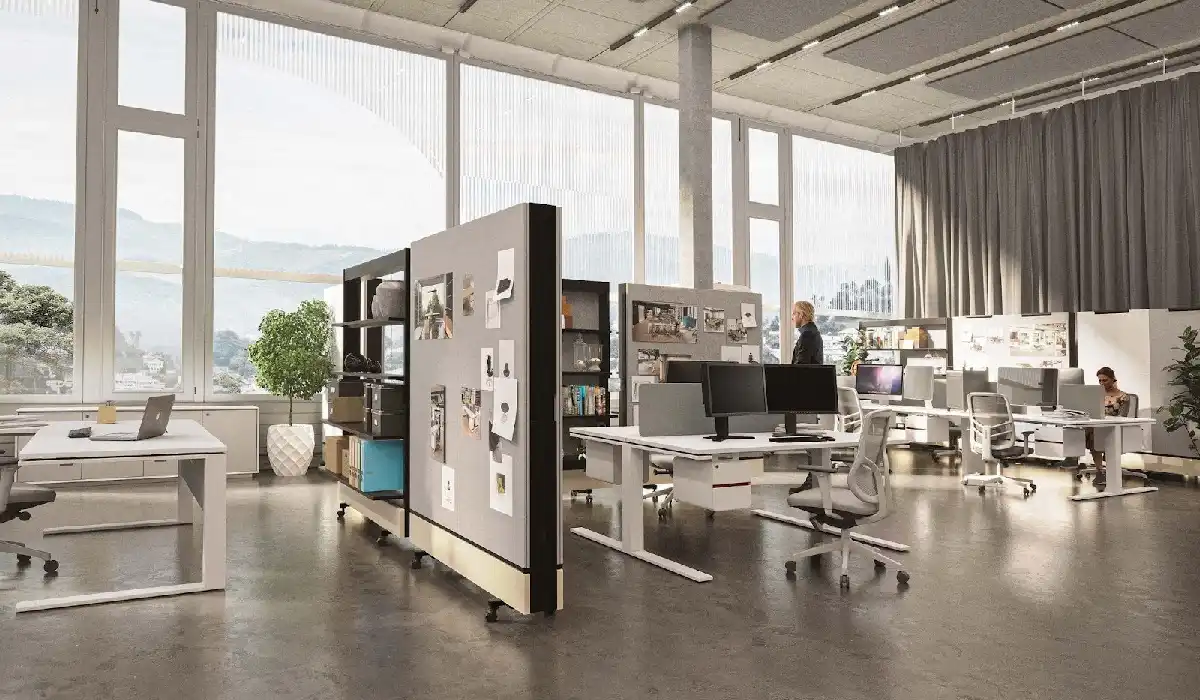
You don’t need a big room to make a good place to work. The important thing is to pick a place that helps you focus and feel at ease.
- Choose a peaceful place where you won’t be bothered too much.
- Use natural light whenever you can.
- Make sure there is enough room for your important things without making it too crowded.
When a space is properly delineated, even a little area can be quite useful. Adding things like a rug, a shelf, or a modest boundary can make the room appear planned.
Choosing Furniture That Supports Daily Use
Furniture plays a key role in how your workspace performs over time. Instead of focusing on appearance alone, it’s important to think about comfort, support, and long-term use.
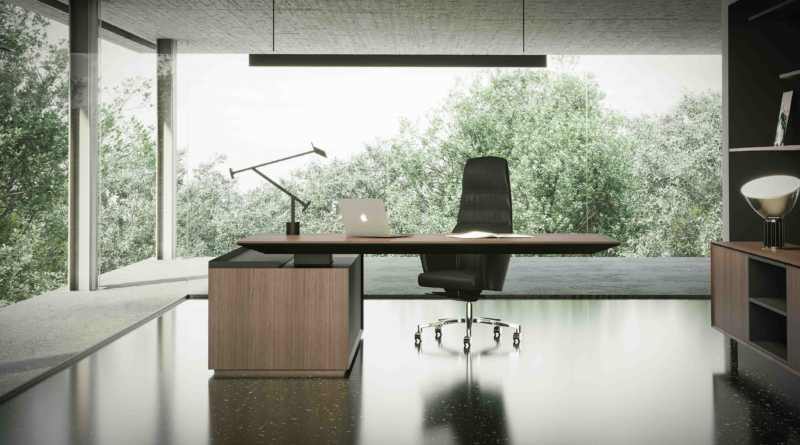
- A desk that provides enough working space without dominating the room
- Office chairs that supports posture during long hours
- Storage solutions that keep your space tidy and efficient
Well-chosen furniture doesn’t just improve how your space looks—it improves how it works.
Creating Simple Work Zones
Even in small rooms, splitting up your setup into smaller areas can make a big difference.
- Your main desk for getting things done
- A tiny area for rapid work or using a device
- A place to take a short break and reset
This method helps keep your routine interesting and stops your workspace from feeling like the same thing over and over.
Lighting That Works With You
Lighting is one of the most important parts of home office design, yet it’s often forgotten. It has a big effect on comfort and productivity.
- Natural light can make you feel better and give you more energy.
- Task illumination makes it easier to work on detailed tasks.
- Soft ambient lighting makes the space feel balanced.
A well-lit room helps you stay focused and protects you from getting tired after long hours of work.
Keep It Clean and Organized
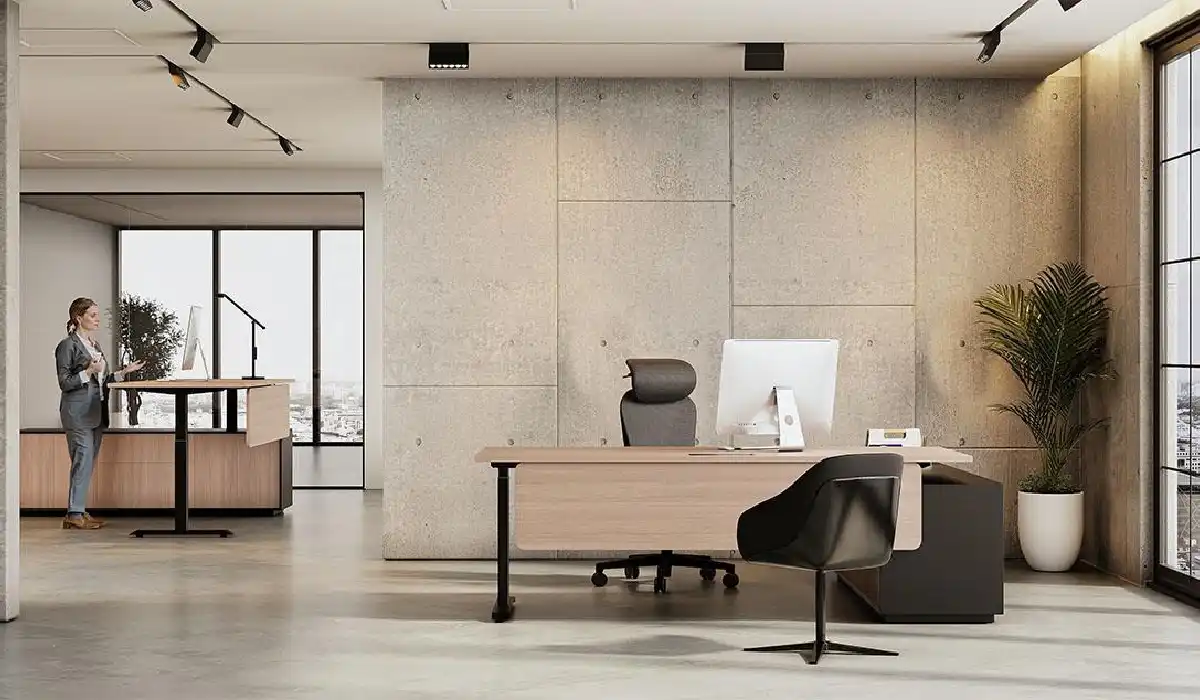
Having too much stuff around can make it hard to focus. A clear mind is easier to keep when your desk is simple and tidy.
- Only keep what you need close by
- Put away things you don’t use every day.
- Use organizers to keep your cords and other things in order.
Not only does a clean workplace seem better, it also feels better to work in.
Adding Personality the Right Way
Your workspace should feel comfortable, but it doesn’t need to be overly decorated.
- Add a plant for a fresh, natural touch
- Include one or two meaningful decorative items
- Stick to a simple, consistent color theme
These small details make the space more inviting without becoming distracting.
Balancing Comfort and Focus
Finding the appropriate balance is one of the hardest things about working from home. A workplace that is too easygoing can make people less productive, while one that is too strict can make people tired.
The idea is to make a space that is both comfortable and easy to focus in. When your workstation is straightforward to utilize, it’s easier to stay on task and get things done.
Final Thoughts
Designing a home workspace is less about following trends and more about understanding what works for you. The most effective setups are simple, functional, and aligned with your daily habits.
By focusing on layout, comfort, and organization, you can create a space that supports both productivity and wellbeing. Even small improvements can make a big difference in how you work and how you feel while doing it.