
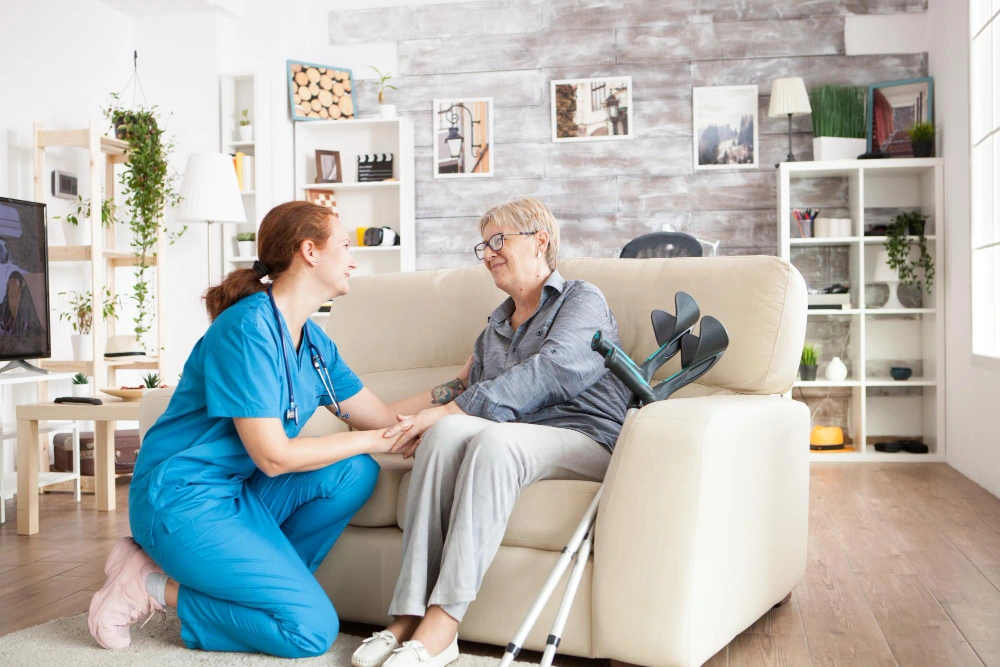
Core Principles of Personalized Home Care
The cookie-cutter model of elder support is finished. Real value now comes from tailoring care to the individual’s rhythms, quirks, and aspirations. Autonomy and dignity are non‑negotiable, not marketing slogans. According to the U.S. Bureau of Labor Statistics, demand for home health and personal care aides is projected to grow 22% from 2022 to 2032, reflecting the surge toward personalized, in-home solutions. Quality service must be a collaboration between client, family, and provider, with crystal-clear expectations for responsiveness, competence, and respect.
Assessing In-Home Care Requirements
Mobility. Cognitive status. Daily living capacity. Those are the pillars of any meaningful evaluation. A straightforward checklist can save hours of guesswork and avoid misaligned services. Picture this: an active retiree with mild mobility challenges still gardening but needing help with heavier lifting indoors. Needs shift over time, so reassessment is not optional—it’s part of the ongoing discipline of care.
Selecting Trusted Home Support Professionals
Credentials matter. Certifications prove skill. Background screenings protect safety. References can confirm both. Continuous training and proper supervision separate mediocre providers from those worth hiring. Pay attention during interviews—ambiguous answers, poor listening, or rushed site visits are red flags. If you need a tangible example of reputable service, see home care Myrtle Beach SC.
Designing a Safe and Person-Centered Home Space
A well‑placed grab bar can be the difference between confidence and hesitation. Non-slip flooring reduces unnecessary risk. Lighting upgrades eliminate shadows that hide danger. Partnering with an occupational therapist or certified remodeler ensures the changes are practical, not cosmetic. One client regained full independence upstairs after a single stair rail was installed without overhauling the entire structure.
Integrating Smart Home Care Solutions
Remote monitoring, automated medication reminders, and quick telehealth access can reinforce safety without smothering the client in gadgets. Digital tools should enhance human presence, not replace it. A 2023 Pew Research Center report indicated growing senior adoption of health tech when privacy safeguards are clear. Keep confidentiality front and center. Data leaks in this sector have real, human consequences.
Sustaining Emotional and Social Well-Being
Companionship is not a luxury—it’s structural support for mental health. Scheduled visits, community club memberships, and virtual meet‑ups can reduce isolation. Volunteer programs and intergenerational initiatives inject life into routines and connect people to broader goals. When engagement levels spike, mood and energy almost always follow.
Measuring Quality in Home Care Services
Feedback loops keep providers honest. Satisfaction surveys and family check-ins reveal strengths and blind spots. Track punctuality, adherence to care plans, and whether the client is actually comfortable. Set clear review intervals and document adjustments. Transparency builds trust, and trust is the tool that keeps the care relationship functional.
Charting the Path Ahead: Cultivating Sustainable Success
Effective home support blends precision and empathy. Audit your current arrangements, speak directly with providers, and revisit your care objectives regularly. Improvement is never static—it’s a deliberate choice to sharpen service delivery and preserve client independence. The future of home care belongs to those willing to keep standards high and intentions clear.