Decor is not merely about the look, it involves provision of useful, comfortable, and people-corresponding spaces. The correct decor will make the place practical and also represent style and personality whether in a home, office, school, prayer place, orphanage, NGO, or bank. In the case of Australian spaces, the aesthetic and functional consideration is vital especially in areas that are prone to many visitors or work located in multi-purpose spaces.
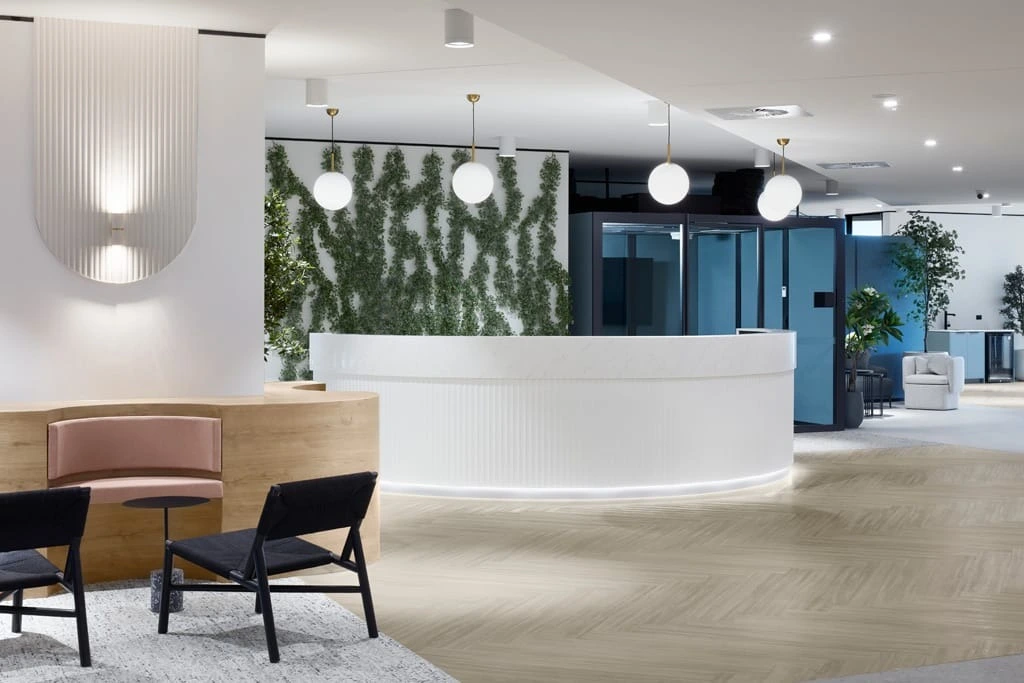
Most of the organizations and businesses in Australia invest in the Office Fitouts to simplify this process. Professional fit outs assists in the production of spaces that are aesthetically appealing as well as effective, safe, and designed to meet the manner in which they are used by individuals.
Define the Purpose of the Space
Needs in every space are different. The first thing when planning something to be decorative is seeing its purpose:
Homes: Venture into comfort, storage areas, and socialization or relaxation areas.
Offices: Focus on efficiency and collaboration points, as well as on staff welfare.
Schools: Provide security and sustainability and adaptable learning facilities.
Prayer Places: Design with care, courtesy, and ease.
Orphanages & NGOs: Design safe, multi-use, hospitable spaces.
Banks and Financial Institutions: Professional aesthetics, client-friendly layouts, and security considerations.
Understanding purpose guides all decisions about furniture, layout, colors, and accessories.
Analyze Space, Layout, and Flow
The types of buildings in Australia are different–small urban offices and large suburban schools or comm centers. Planning should consider:
Traffic flow: Flowing roads avoid traffic jams and accidents.
Zoning: Isolated silent, concentrated space as opposed to group or high-energy space.
Flexibility: Modular furniture or adaptable layouts accommodate changing needs.
Accessibility: Add ramps, broad door frames, and labels that comply with requirements of inclusivity.
Well-planned layouts make decor functional, not just decorative.
Functionality Comes First
The spaces can be safe, usable and comfortable with the help of functionality. The important functional ornamental elements are:
- Office, school, and home office seating and desks in an ergonomic design.
- Storage means such as shelves, lockers, or cabinets.
- Hardy type of materials that can be heavily utilized in banks, schools or NGOs.
- Integration in terms of devices, wiring and multimedia.
Use of acoustic panels, carpets or soft furnishing in open spaces to reduce noise.
When the style is well used to serve a purpose then the style will automatically improve the experience.
Reflect Identity Through Style
Decor can be used to symbolize the identity, culture and values as well as provide comfortable space:
Colors: Color study or Meditation areas with calming colors, collaborative areas with vibrant colors or brand-aligned colors in the offices and the NGOs.
Textures & materials: The use of wood, metal, glass, and fabric is used to bring depth, durability, and warmth.
Art & greenery: Spaces are vibrant and motivating and can be either plants, murals, or cultural artwork.
Lighting: Keep a balance between natural and artificial lights to make the rooms more ambient and useful.
Australians love to combine natural materials and minimalism with the current modern buildings, particularly in offices, schools and houses.
Consider Location and Environment
Decor depends on where one is. The Australian space is subjected to varied climatic conditions, access to sunlight, and city limitations:
Urban vs. suburban: Smaller city offices require compact, multi-purpose furniture; larger suburban spaces allow more creative layouts.
Natural light & ventilation: Areas of position keys close to the windows to allow maximum light entry.
Noise & privacy: It should be taken into account traffic, community activity, or open-plan arrangements to choose partitions, curtains or soundproofing.
Climate adaptation: Long durability involves the use of heat-, sun-, or humidity-resistant material.
Green consciousness would make the decor convenient, sustainable, and comfy.
Plan for Future Growth
Space changes, and therefore, there must be versatility in the decor:
- Office modular furniture units, school modular, or community center modular.
- Home, NGO, or bank extendable storage.
- Multi-use prayer hall, orphanage, or community areas that are flexible.
- Colors of neutral bases to update without redesigning.
Future-proofing offers the space with an assurance of staying up to date and stylish as the needs evolve.
Quick Guide to Successful Decor
So as to have spaces that are stylish and functional, follow these tips that can be realized:
- Know the nature and main users of the space.
- Analyze layout, space, and flow for smooth functionality.
- Express personality and character in terms of color, material and decorations.
- Consider location and environment.
- Intend flexibility and additional development to prolong the period of the decor.
These steps will ensure that homes, offices, schools, places of prayer, NGOs, banks, and other places in Australia are efficient, comfortable, and visually appealing. Decor replenishes usability, productivity and satisfaction in addition to making us have environments that people love to be in.