
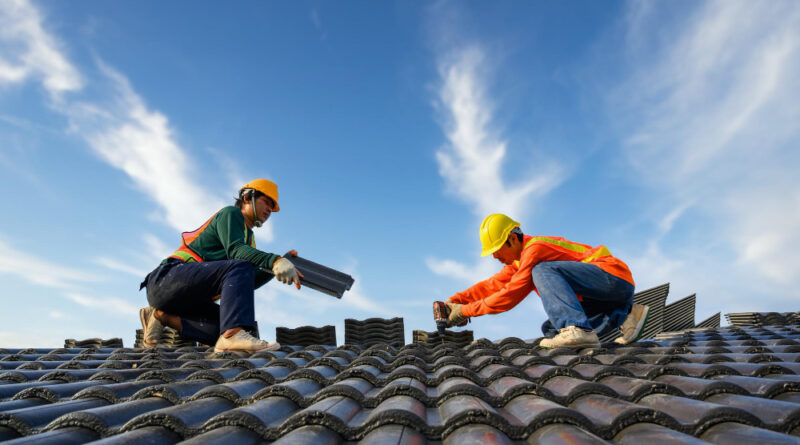
Severe weather can strike without warning, leaving homeowners scrambling to deal with unexpected damage. High winds, hail, heavy rain, fallen branches, and even snow accumulation can all compromise the integrity of a roof. When that happens, emergency roof repair becomes critical—not just for preventing further damage, but for protecting the safety and structure of the entire home.
Understanding what qualifies as a roofing emergency and knowing how to respond can make a major difference in limiting long-term repair costs.
What Is Considered an Emergency Roof Repair?
Emergency roof repair refers to immediate action taken to address sudden roof damage that exposes a home to water intrusion, structural risk, or safety hazards. Common scenarios include:
- Missing or severely damaged shingles after a storm
- Active roof leaks allowing water into the home
- Punctures caused by fallen trees or debris
- Sagging roof sections indicating structural stress
- Flashing damage around chimneys, vents, or skylights
If left unaddressed, even minor-looking damage can escalate quickly, leading to mold growth, insulation damage, electrical issues, and weakened framing.
First Steps to Take After Roof Damage
After a storm or sudden roofing issue, safety should always come first. Homeowners should avoid climbing onto the roof, especially during wet or windy conditions. Instead, start with these steps:
- Assess damage from the ground
Look for visible signs such as missing shingles, exposed decking, or debris on the roof.
- Check the interior
Water stains on ceilings, dripping water, or damp insulation in the attic often signal roof damage that requires emergency roof repair.
- Minimize interior damage
Place buckets under leaks and move furniture or valuables away from affected areas.
- Document the damage
Photos and notes can be helpful when filing an insurance claim later.
Why Temporary Repairs Matter
In many cases, emergency roof repair begins with temporary solutions designed to stabilize the situation. These may include tarping exposed areas, sealing active leaks, or securing loose materials. While these fixes aren’t permanent, they play an essential role in preventing further water damage until full repairs can be completed.
Ignoring the need for immediate action can significantly increase restoration costs and extend repair timelines.
When to Call a Professional
Roofing systems are complex, and improper repairs can make damage worse. A professional roofing contractor has the tools, training, and experience to safely evaluate storm damage and determine the best course of action. Professionals can also identify hidden issues that may not be obvious from the ground but could cause future problems.
Experienced roofing companies that handle emergency roof repair often assist homeowners with inspections and documentation needed for insurance claims, helping streamline the recovery process.
Preventing Future Roofing Emergencies
While not all emergencies can be avoided, regular roof inspections and maintenance reduce the likelihood of sudden failures. Keeping gutters clear, addressing minor repairs promptly, and scheduling professional inspections—especially after severe weather—can help extend the life of a roof and minimize emergency situations.
Final Thoughts
Emergency roof repair is about quick, informed action. Knowing what to look for and how to respond after storm damage helps homeowners protect their property and avoid costly long-term issues. When roof damage occurs, timely professional assessment and temporary stabilization are key steps toward restoring safety and peace of mind.
For homeowners seeking guidance or professional evaluation after storm-related roof damage, established roofing and siding contractors emphasize safety, proper inspections, and informed repair solutions to help protect homes when it matters most.