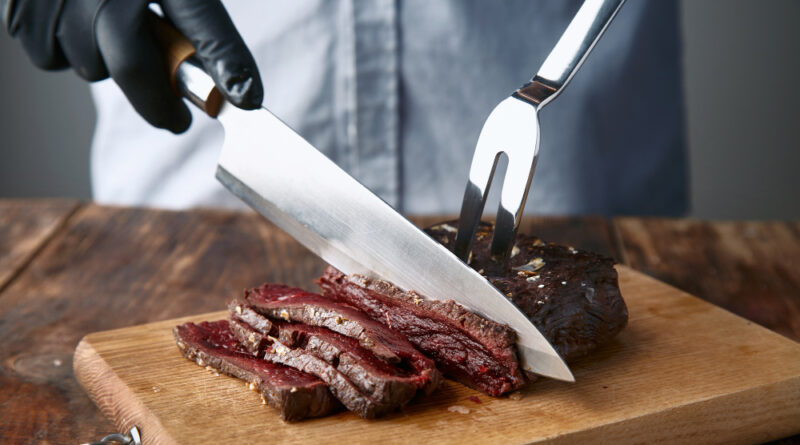
There’s a moment right before serving when everything slows down. The roast has rested. The brisket has finished its smoke. The turkey is ready for the table. This is where a proper carving knife earns its keep.
Unlike heavier prep blades, a carving knife is built for one purpose: clean, even slices of cooked meat. It’s not about chopping or splitting joints. It’s about presentation, control, and preserving the texture you worked hard to create.
What Makes a Carving Knife Different
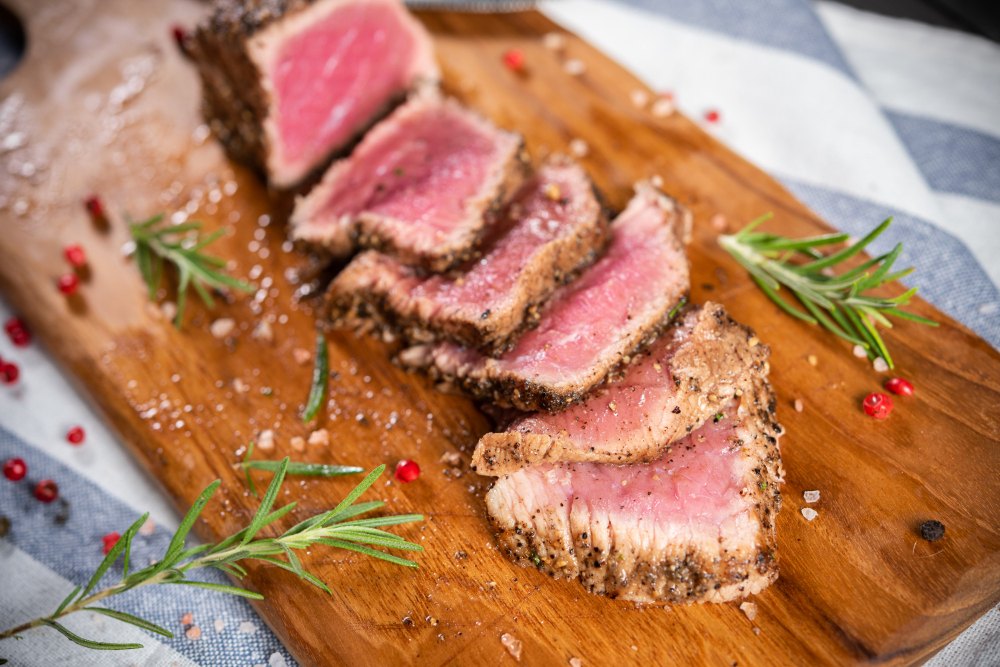
A true carving knife stands apart because of its shape. Long. Narrow. Purposeful.
That length allows you to cut through large roasts in a single, smooth motion. Fewer strokes mean less tearing. Less tearing means juices stay where they belong — in the meat.
Key features typically include:
- A long, slim blade for extended slicing
- A razor-sharp edge for clean cuts
- A pointed tip for controlled detail work
- Balanced handling for steady movement
The narrow profile reduces drag, especially when working through brisket bark or turkey breast. It glides rather than forces its way through.
Clean Slices for Roasts, Poultry, and Brisket
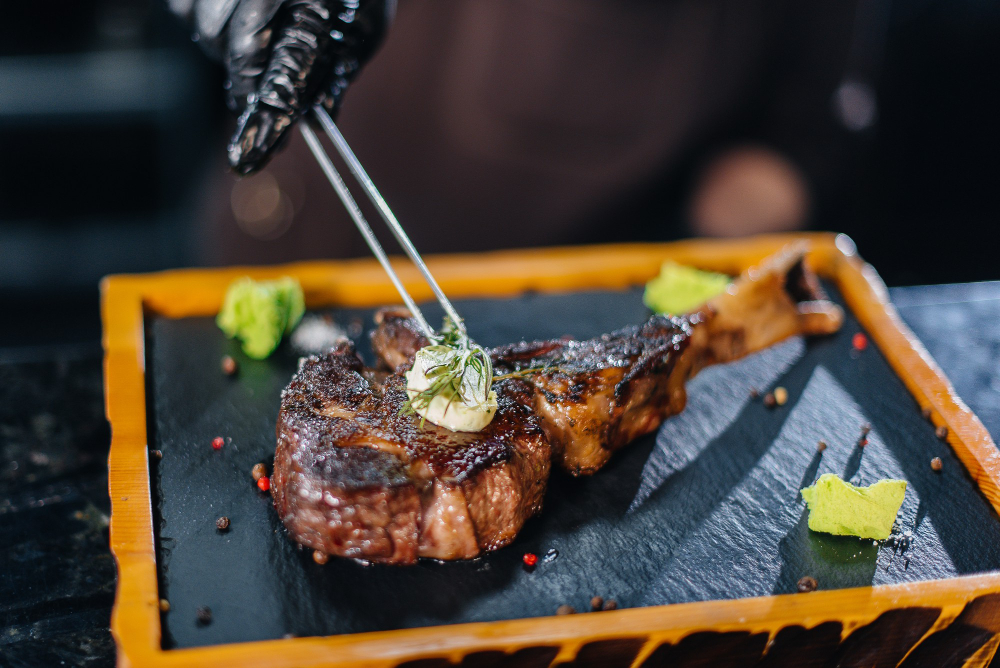
When slicing roast beef or a smoked brisket, consistency matters. Uneven cuts cook and serve unevenly. A proper carving knife helps you portion meat into uniform slices that look intentional on the plate.
For poultry, the long blade allows you to separate breast meat cleanly without shredding it. During holiday meals or dinner parties, that difference shows. The slices lay flat. The edges stay smooth. The presentation feels deliberate.
Even for everyday home dining, there’s something satisfying about serving meat that looks as good as it tastes.
When Precision Really Counts
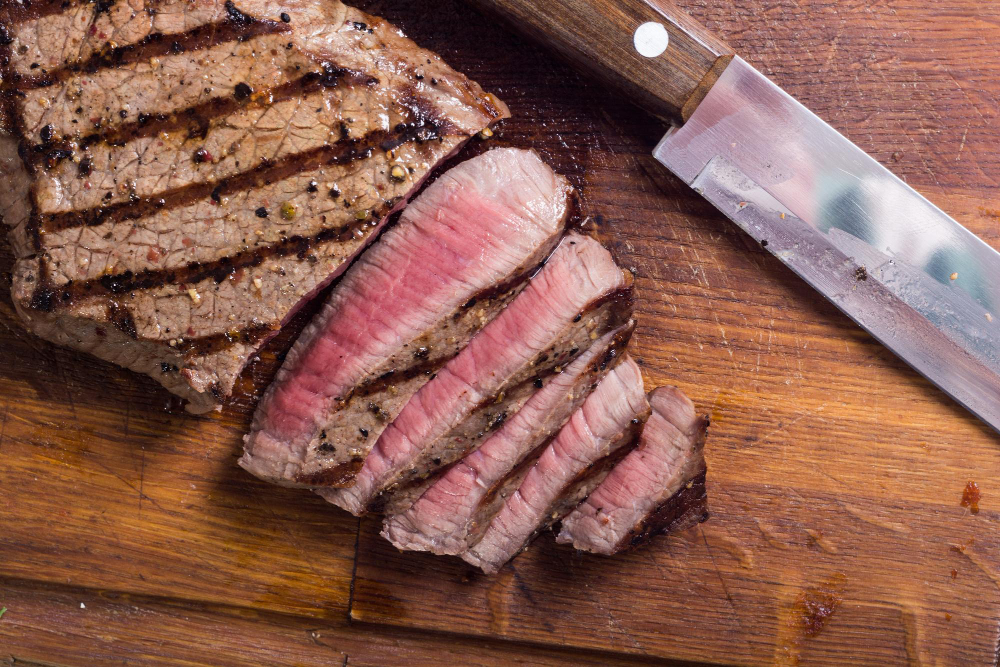
There are moments when a standard chef knife simply isn’t ideal. Holiday gatherings. Sunday roasts. Backyard brisket served to friends. These are times when precision matters.
A well-made carving knife gives you confidence at the cutting board and at the table. Balanced weight keeps your hand steady. A sharp edge reduces resistance. The longer blade allows clean passes without sawing back and forth.
In kitchens that value craftsmanship, a carving knife isn’t a luxury. It’s a finishing tool — the one you reach for when the cooking is done and presentation takes center stage.