

Time on the island determines rhythm, not just mileage. Roads curve through hills and coast wildlife viewing favours early starts, and rail journeys deserve space. The answer is to set days by interests, season and tolerance for travel, then keep movements simple. A well-planned Sri Lanka tour package gives structure without cramming.
This guide explains how duration shapes experience, outlines realistic day ranges, and lists practical rules to keep plans workable.
How Duration Shapes the Experience
Trip length governs depth in each region, the number of hotel changes, and the slack needed for weather or late arrivals. A schedule that looks tidy can still feel rushed if every day includes a long transfer. Two-night hops suit highlight hunting. Three-night stays support guided activities, slower mornings and contingency. Families, multi-
generational groups and honeymooners usually benefit from fewer bases, while solo travellers sometimes trade a little pace for a wider variety. Aligning these preferences with the calendar keeps expectations and reality together.
Core Variables That Influence Days
Set the number of days based on the realities below; they decide pace, costs and how much variety fits without rush.
● Lead Interests: Heritage, wildlife, tea-country scenery, beaches or wellness.
● Season: The West and South coasts generally suit December to March, the East often suits May to September.
● Flight Timings: Red-eye arrivals curtail day one, late departures shape the final day.
● Pace Tolerance: Appetite for road hours versus time at a single base.
● Party Needs: Children, older travellers or friends' groups require different cadences.
● Budget Split: Nights, transfers, entrance fees and one signature activity.
Choosing a Sensible Range
Short breaks are best built around one clear arc. Weeks allow a compact blend of heritage, hills and one coastline. Longer holidays absorb quieter regions without turning every day into a transfer.
Selecting a customised Sri Lanka tour package helps keep that balance visible: it fixes the number of nights first, then fits experiences inside those limits.
4 to 5 Days
Four to five days can refresh without overreach. Limiting bases prevents backtracking, and the plan reads cleanly when shaped around one theme. This window suits a festival visit, a wellness interlude or a quick celebration trip.
6 to 7 Days
A week usually supports a measured rhythm. It becomes realistic to combine cultural landmarks, hill country and a short coastal finish while keeping one flexible half day for weather or rest.
Transfers slot best in the middle of the itinerary, not immediately after landing or just before departure. With nights allocated thoughtfully, the route stays linear and the schedule avoids unnecessary returns to the same junctions.
8 to 10 Days
This range adds variety without losing comfort. There is room for wildlife drives along with hill viewpoints and a longer coastal pause. A sunrise hike or a scenic rail segment fits without compressing meals or sleep.
Travellers who enjoy nature, local food and unhurried evenings tend to find this span satisfying because each base receives enough time for a guided walk, a swim and a quiet hour to take in the setting. Many planners treat an eight-to-ten-day Sri Lanka tour package as the sweet spot for first serious visits.
12 to 14 Days
Two weeks enable slower mornings, longer stays and lesser-visited corners. Adding a northern, lagoon or backwater segment becomes feasible without diluting the classic circuit. Three-night patterns reduce packing and allow a carefully chosen expert-led session, such as a heritage walk, a conservation briefing or a tea-estate immersion. The overall effect is not “more places, “but better use of daylight and a calmer close to the holiday.
Seasonal and Routing Notes
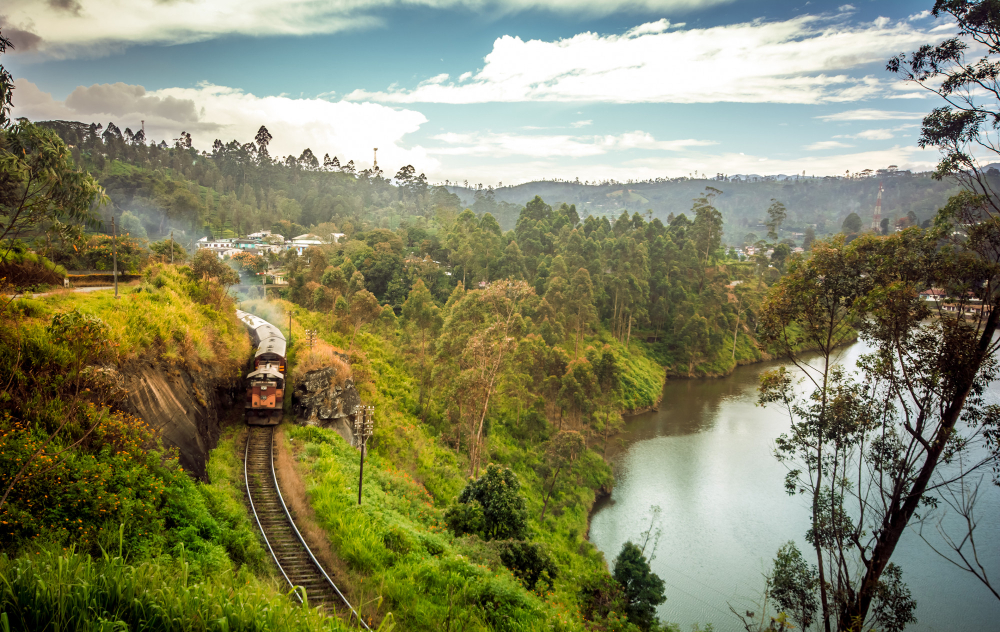 Sri Lanka’s weather is shaped by alternating monsoons. The west and south commonly see their best beach conditions from December to March. The east often feels calmer from May to September. Hillside towns tend to remain temperate for much of the year, which makes them reliable anchors for mixed-season plans.
Transitional months like April and October can vary across short distances; allowing a movable day helps keep options open. Festivals and long weekends increase demand so that an extra night can preserve the flow of the program.
Logistics That Protect the Itinerary
Solid logistics prevent a tidy plan from unravelling; use the rules below to keep the trip smooth and efficient:
● Cap hotel changes to three across a standard week.
● Plot transfers conservatively, then add a margin for weather or traffic.
● Place the longest drive in the middle of the trip rather than on the first or last day.
● Reserve rail seats when required, especially on popular scenic sectors.
● Start crowd-pulling sites early to reduce heat and queues.
● Keep one free afternoon every second day for rest or a contingency.
Budget and Value Considerations
More days only help if they unlock time on the ground. One additional night in a preferred region often produces greater satisfaction than adding another stop.
Entrance fees, guided sessions and wildlife activities vary by location; ring-fencing part of the budget for one high-quality experience lifts the whole itinerary.
Private transfers or domestic hops, when available in season, can reclaim hours on longer routes. With cost and time aligned, a tailored Sri Lanka tour package reads cleanly and feels coherent.
Matching Durations to Traveller Profiles
Culture-led travellers commonly feel complete within six to eight days when the schedule protects time for key sites and craft traditions. Nature-minded visitors tend to lean toward eight to ten days to include at least two wildlife areas alongside hill walks and viewpoints.
Families usually benefit from seven to ten days, short transfers and hotels with simple facilities. Couples planning a special trip often choose seven to twelve days across two or three scenic bases for privacy and steady mornings.
Conclusion
There is no universal number that suits every traveller. A balanced first visit often sits at six to eight days, broader interests usually need eight to ten, and two weeks open quieter corners without the sense of hurry. The right outcome is a timetable that protects rest, respects distance and leaves space for unplanned moments. Choosing a Sri Lanka tour package that fixes nights first, then builds experiences around them, keeps the island’s variety enjoyable and the journey firmly under control.