

Raksha Bandhan festival is celebrated across India with immense passion, often seen as a simple and sweet exchange of love and promises between siblings and cousins. Traditionally, a sister ties a rakhi around her brother's wrist to pray for his long life and protection, provided the brother promises to protect her. With an evolving cultural
landscape, tradition has taken a new turn. It extended into a new custom of bhaiya bhabhi Rakhi honouring not only the bond between sister and brother but also warmly welcoming the sister-in-law in the celebration.
Celebration of extended bonds
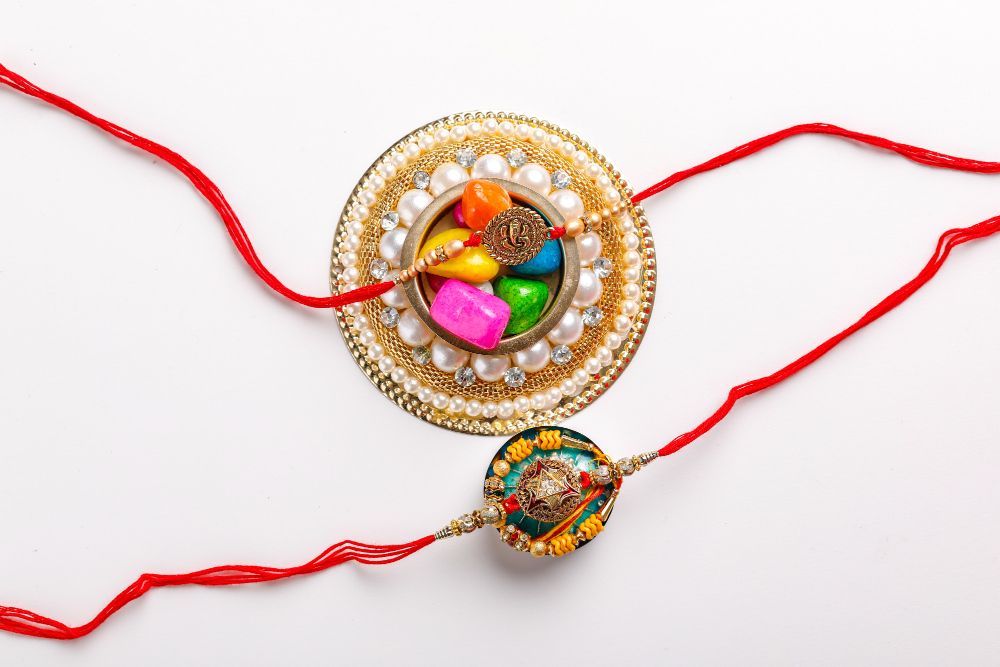
Rakhi is not just about siblings and cousins. By tying rakhi to her bhabhi, a sister symbolically welcomes and honours the woman who plays an important role in her brother’s life. Additionally, we have seen that not only does a sister tie rakhi to her brother’s wife but also a brother ties rakhi to his brother’s wife. The gradual spreading of love by bending the customs and rituals into new, exciting norms has enhanced the importance of the rakhi to another level.
Folk traditions
The bhaiya-bhabhi rakhi tradition is particularly rooted into north Indian folk culture especially in Uttar Pradesh, Rajasthan and some parts of Madhya Pradesh. Here, rakhi is celebrated by rituals that have extended beyond the immediate siblings and cousins. Sisters bring gifts, sweets and colourful rakhis including both for her brother and sister-in-law.
Respect and empowerment
In Indian culture, the role of a daughter-in-law is demanding and revered as well. Families subtly elevate her position in the family by including her in Raksha Bandhan, who has an emotional and spiritual connection to her husband’s cousins and siblings. The act is not only a token of respect, but it also empowers women in the family by giving them space and visibility in rituals that were previously patriarchal. For younger sisters-in-law, Rakhi can be a warm welcome into the family to bridge generation and relational gaps.
Improving Sisterhood Bond
Often, the relationship between sister and sister-in-law begins with formality, especially in traditional families where roles are strictly defined. Bhaiya Bhabhi Rakhi became popular because it develops and celebrates sisterhood, blossoming over time. It can be through shared laughter, family inside jokes and gossip or mutual care for the brother. This relationship evolved and gave a thoughtful and understanding place in the family unit. Through this ritual, the sister welcomes Bhabhi as the sister that she never had. It builds the emotional connection between the sister and sister-in-law.
Cultural Unity
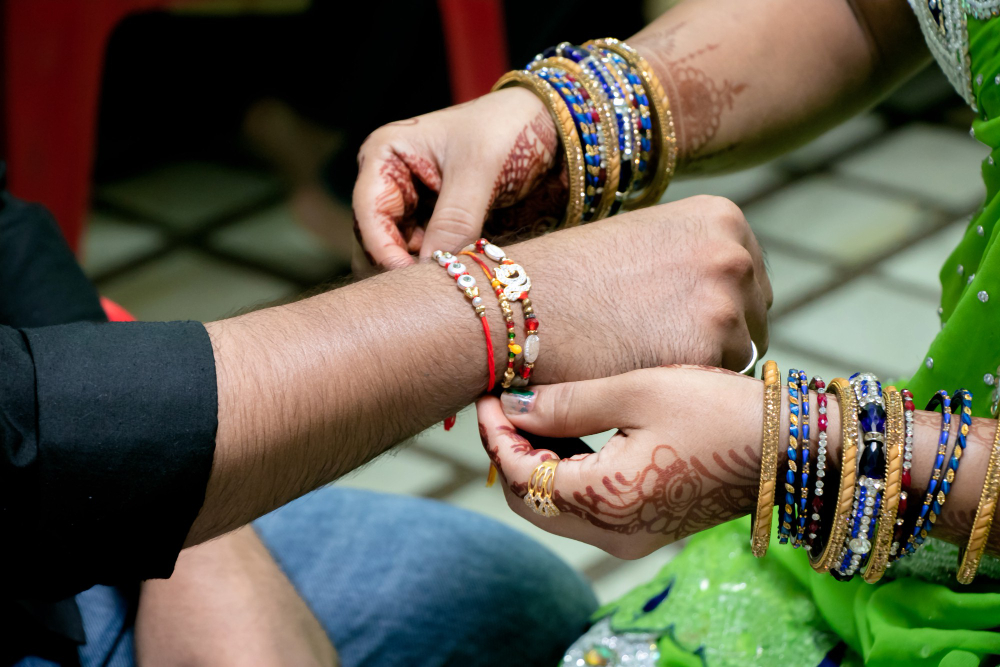
The involvement of the sister-in-law in the rakhi ritual showcases the unity of Indian culture and respect for relationships. There are different cultures with fixed rituals and rigid decorum. Indian tradition evolved into incorporating changes in family dynamics. Rakhi is no longer between siblings and cousins, but it has become a community festival within the family. Today, bhaiya bhabhi Rakhi has become a fashion statement. It ranges from designer lumba sets to coordinated bhaiya bhabhi Rakhi with charms, motifs and beads. The market reflects the increasing nature of the custom while rooted in its values.
Spiritual intervention in marital life
There is a spiritual element to tie rakhi to bhabhi. There is a folklore that the blessings of a sister bring peace and harmony into the marriage of her brother. This thread is said to protect their bond from negative energy and strengthen mutual understanding, love and respect. The ritual has a decorum of adoration for Bhabhi’s efforts towards completing her brother’s life. She also deserves the same protection, positivity, goodwill and blessings
during Raksha Bandhan.
Final Thoughts
Bhaiya Bhabhi Rakhi is more than a trendy, decorative thread. It is a powerful cultural gesture to reflect Indian family culture ethics, respect, unity and growing relationships. It shows Indian traditions and adapting to new changes and customs to respect new family members.