
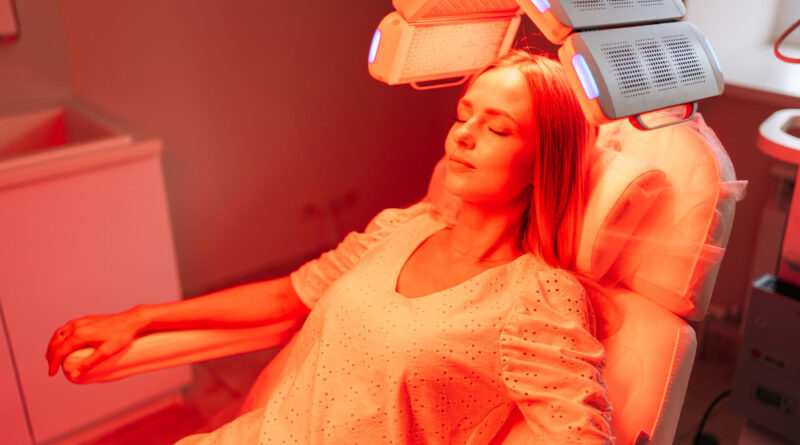
In fitness, progress isn’t just about how hard you train – it’s about how well you recover. Whether you’re a runner pounding pavement, a weightlifter chasing PRs, or someone who enjoys weekend hikes, the time between workouts is when real growth happens. And increasingly, athletes are turning to a surprising tool to make that recovery more effective: red light therapy.
Once found only in elite training facilities and rehabilitation clinics, red light therapy is now
making its way into home gyms and personal recovery routines. And for good reason: it’s safe,
non-invasive, and supported by a growing body of research.
The Link Between Light and Muscle Recovery
Red light therapy, also known as low-level laser therapy (LLLT) or photobiomodulation, works by delivering specific wavelengths of red and near-infrared light to the body. These wavelengths penetrate the skin and are absorbed by the mitochondria in your cells, the same organelles that produce cellular energy (ATP).
By enhancing mitochondrial activity, red light therapy helps reduce oxidative stress, improve blood flow, and accelerate tissue repair. This makes it especially effective for:
● Reducing inflammation
● Relieving muscle soreness (DOMS)
● Speeding up recovery from minor strains
● Improving joint flexibility
● Supporting long-term injury prevention
For athletes and fitness enthusiasts, that means fewer missed sessions, quicker bounce-back
times, and improved overall performance.
Science-Backed Benefits
Multiple clinical studies have shown the benefits of red light therapy for athletic recovery. In one
study, athletes who used red light therapy before training experienced less post-workout
soreness and faster muscle recovery. Another study found improved muscle performance and
reduced fatigue in participants who used light therapy consistently after exercise.
These results aren’t limited to professional athletes. Weekend warriors, physical therapy
patients, and even older adults engaging in regular movement can all benefit from the cellular
support red light provides.
Bringing the Clinic Home
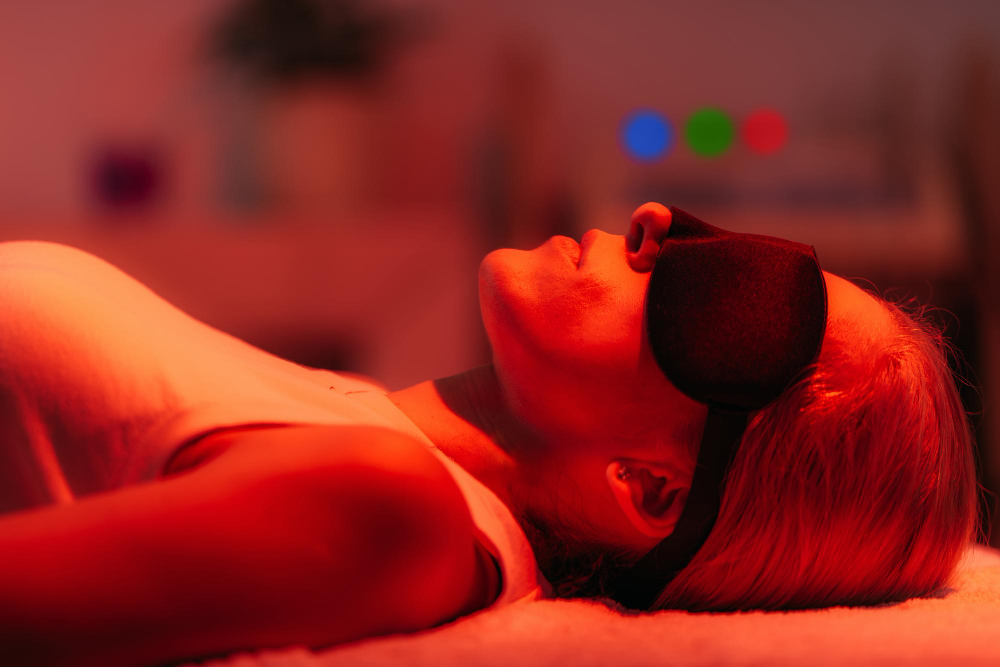
One of the best things about red light therapy is that it doesn’t require complicated machines or
clinical appointments anymore. A new generation of portable, user-friendly devices has made it
easy to use red light at home, on your own schedule.
Among these, the red light therapy belt stands out as one of the most convenient and versatile
tools. Designed to wrap comfortably around the lower back, thighs, knees, or even the
abdomen, these belts provide targeted therapy exactly where your body needs it most. Whether
you’re dealing with post-workout soreness, a lingering strain, or general stiffness, you can apply
red and near-infrared light while relaxing, working at your desk, or watching TV.
The best models use medical-grade LEDs, flexible materials, and adjustable intensity levels.
Some are battery-powered and portable, making them easy to integrate into your recovery
routine, whether you’re at home or on the move.
Recovery Is the New Training
In today’s fitness world, recovery isn’t optional; it’s essential. Active rest, mobility work,
hydration, sleep, and smart tools like red light therapy all play a role in supporting your body’s
ability to grow stronger and stay injury-free.
While supplements and foam rollers still have their place, technologies like red light therapy
offer a deeper kind of recovery, one that starts at the cellular level. By making it easy to access
that power through tools like a red light therapy belt, modern athletes can train smarter, recover
faster, and stay in the game longer.